Quick answer Comparison table Decision framework Common mistakes FAQ
Quick answer: when each option tends to win
- Solar usually wins if you use the cabin frequently and want quiet, predictable operation.
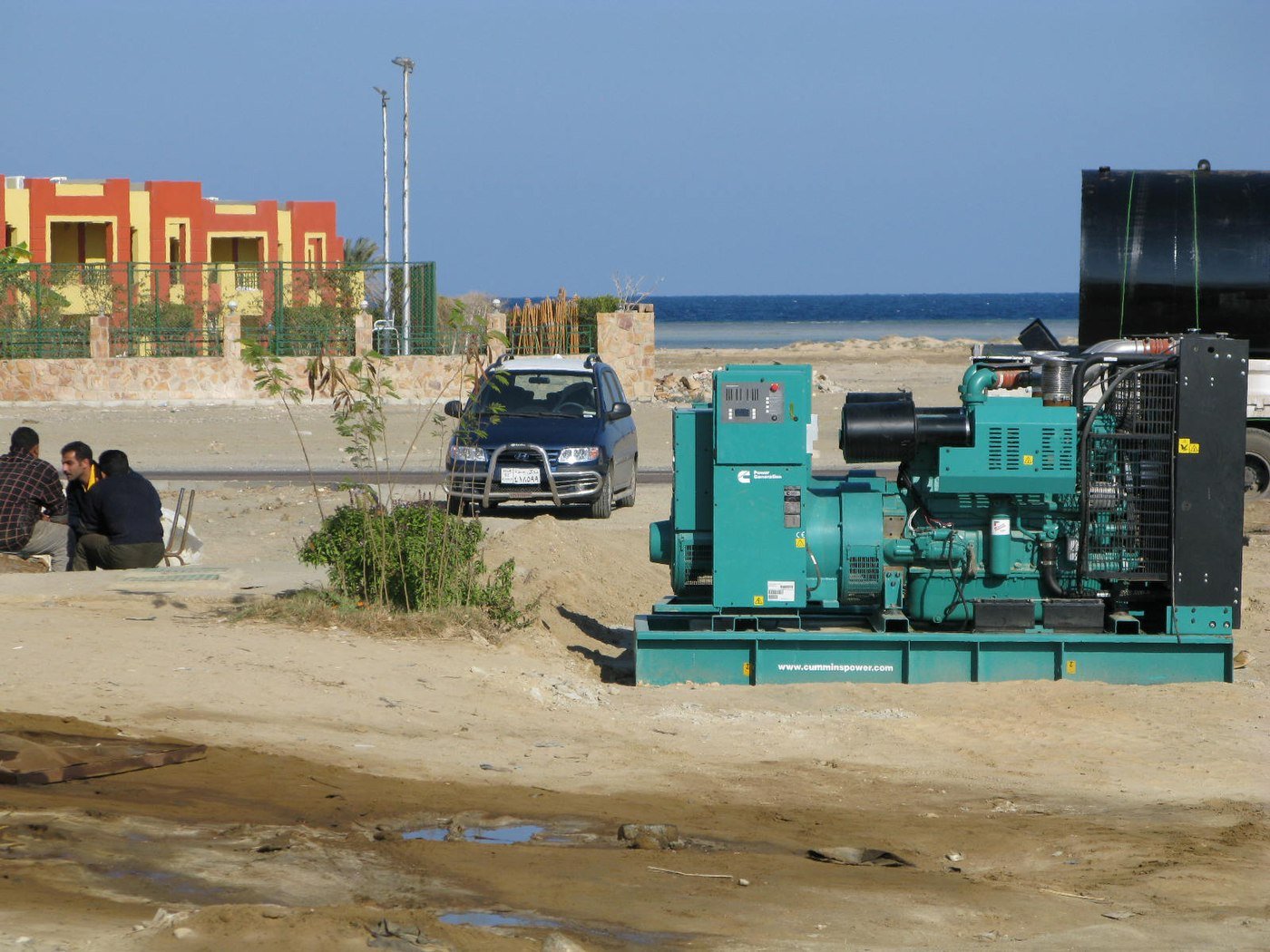
- A generator usually wins if you have occasional use, high burst loads, or limited sunlight in winter.
- A hybrid often wins when you want solar daily and a generator as backup for extended cloudy periods.
Cabin solar sizing (step-by-step) Solar system costs (general)
Solar vs generator comparison table
| Factor | Solar | Generator |
|---|---|---|
| Upfront cost | Higher for off-grid systems | Lower to get started |
| Ongoing cost | Low (maintenance and occasional replacements) | Fuel + maintenance |
| Noise | Quiet | Noisy |
| Reliability | Great in sunny seasons; limited by winter/cloud | Great if fuel is available |
| Maintenance | Low | Regular (oil, filters, storage) |

A practical decision framework (no guesswork)
1) Your load profile
If your cabin has steady daily loads (lights, fridge, device charging), solar is a natural fit. If you mainly have occasional heavy loads (power tools, large pumps), generators can be more straightforward—or you may choose a hybrid plan.
2) Your seasonality
If winter use matters, plan for low-sun periods. That can mean a larger solar system, more battery, or a backup generator to cover extended cloudy stretches.
3) Your fuel logistics and tolerance for maintenance
Generator power is only as reliable as your fuel supply and upkeep. If you prefer “set it and monitor it,” solar often reduces ongoing work.
Cabin solar cost breakdown Solar maintenance checklist Low solar output troubleshooting
Common mistakes to avoid
- Assuming solar “doesn’t work in winter”: it can, but it needs different sizing assumptions.
- Oversizing the inverter: it can force costly wiring and battery upgrades.
- Ignoring ongoing generator costs: fuel and maintenance add up and affect convenience.
- No backup plan: even solar-first cabins often benefit from a fallback option for long storms.
The break-even math, worked
“Solar is expensive, generators are cheap” is only true on day one. Run the honest lifecycle on the same 2 kWh/day cabin (bands from this page and our cost guides; fuel and figures are editorial estimates, Sep 2026):
| Cost line | Solar system ($1,500–$2,700 up front) | 2kW inverter generator ($500–$900) |
|---|---|---|
| Day-one cash | $1,500–$2,700 | $500–$900 |
| Fuel (2 kWh/day via ~30% efficient gen ≈ 0.6–0.7 gal/day) | $0 | ~$650/yr at ~$3/gal |
| Maintenance (oil, plugs, stabilizer) | ~$0 | ~$80–$150/yr |
| Battery replacement (year 8–10 at 4,000 cycles) | ~$400–$600 once | — |
| 5-year cost | ~$1,700–$3,000 | ~$4,000–$6,000 (if used daily) |
Flip the usage and the winner flips: a cabin used 20 weekends a year (~8 kWh/weekend) burns roughly $170–210/yr in fuel plus $80–150/yr of maintenance — solar’s up-front premium pays back in roughly 4–7 years even at low usage, and never for the noise, fumes, and “did I winterize it” anxiety. A cabin used twice a year? Buy the generator, skip the array, spend the difference on batteries later if the pattern changes. The usage frequency is the entire decision — everything else is detail.
FAQ
Is solar worth it for an off-grid cabin?
Can I run a cabin on solar only?
What’s the simplest setup for occasional use?
Does a hybrid system cost more?
Next logical reads
How to size a solar system for a cabin Off-grid cabin solar cost breakdown More solar use cases Solar basics
Related guides: