What you’re sizing Step 1: Daily energy use Step 2: Battery capacity Step 3: Panel watts Step 4: Inverter sizing Step 5: System voltage Common mistakes FAQ
What you’re sizing (and why cabins are different)
Most cabin solar systems are off-grid or “mostly off-grid,” which means you’re sizing for both energy (watt-hours per day) and power (peak watts at one moment). Cabins also have two common curveballs:
- Seasonality: winter sun can be dramatically lower than summer in many locations.
- Occasional heavy loads: tools, pumps, or a microwave can spike peak power even if daily energy is modest.


Step 1: Estimate your cabin’s daily energy use (Wh/day)
You don’t need perfect numbers to start. You need a realistic list of what you’ll run on a normal day, and roughly how long you’ll run it.
Watt-hours (Wh) = Watts × Hours per day
A quick cabin load list (common categories)
- Lighting (LEDs)
- Water pump
- Phone/laptop charging
- Refrigeration (often the biggest daily energy draw)
- Fans or small heater loads (season-dependent)
- Occasional tools (higher peak watts; not always high daily Wh)
If you want a fast baseline, start with “critical loads only” and expand later. You’ll make better choices when you size for what you truly need, not everything you might want.
Step 2: Choose autonomy and size battery capacity
Autonomy is how long you can run without meaningful solar input. Many cabin setups aim for 1–2 days of autonomy, then adjust based on weather patterns and how often the cabin is occupied.
Battery Wh ≈ Daily Wh × Days of autonomy ÷ DoD
DoD (depth of discharge) is how much of the battery you plan to use regularly. Using a more conservative DoD can improve longevity.
Battery capacity calculator Battery cost per kWh Li-ion vs lead-acid
Step 3: Size solar panels to refill the battery each day
Panel sizing is about replacing what you use daily (plus losses). The most common sizing error for cabins is using “best case summer sun” when you actually need a system that works in shoulder seasons or winter.
Panel watts ≈ Daily Wh ÷ Peak sun hours ÷ Efficiency
Use an efficiency factor like 0.75–0.85 for real-world losses.
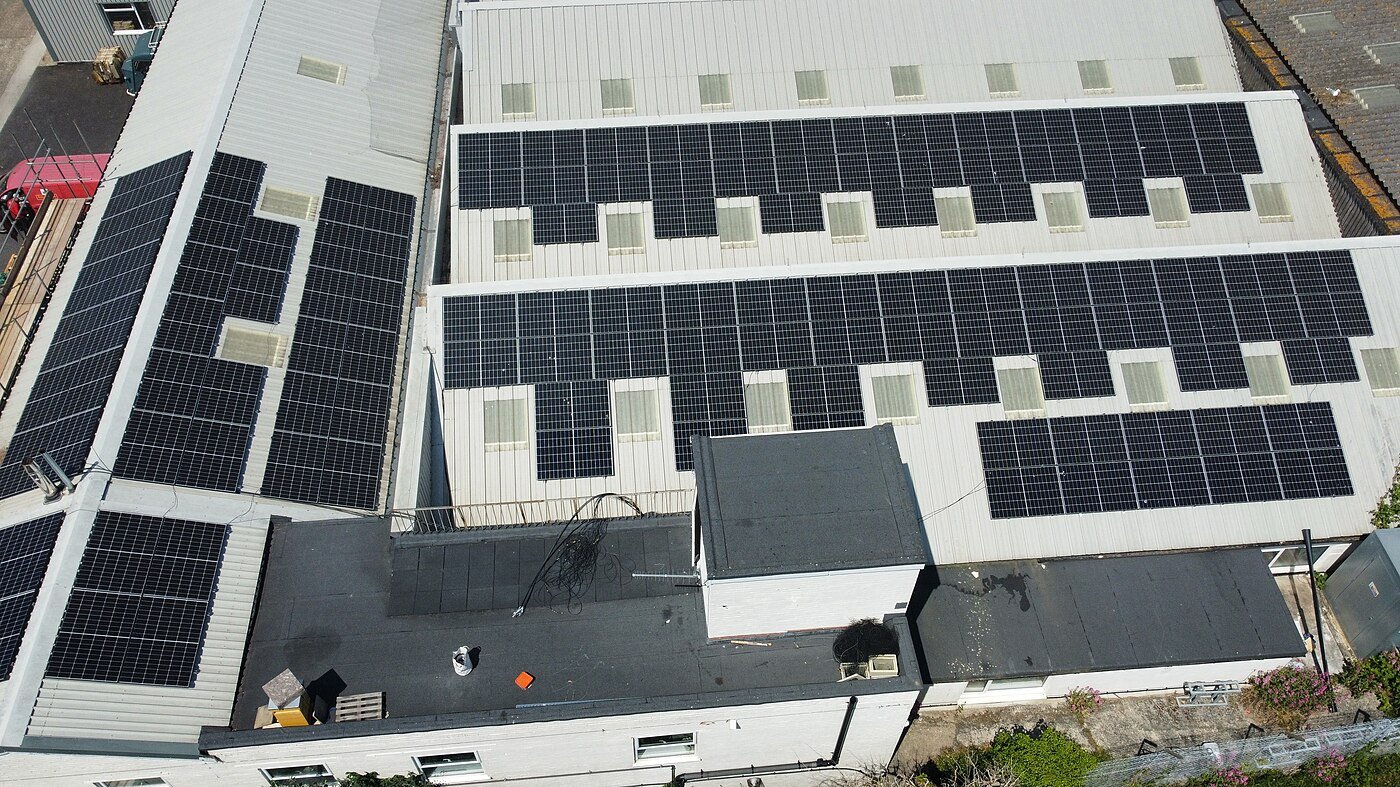

Solar panel output calculator MPPT vs PWM (controller choice)
Step 4: Size the inverter (continuous + surge)
Your inverter needs to handle your maximum simultaneous AC watts, plus starting surges for some devices (motors, compressors). Oversizing can increase idle losses, so aim for a realistic peak.
How to size an inverter Pure sine vs modified sine
Step 5: Pick a system voltage that fits your power level
Voltage choice affects current, cable thickness, and how easy it is to scale. If your cabin system will run higher power loads or longer cable runs, higher voltage can simplify the build.
12V vs 24V vs 48V comparison How to choose system voltage
Common cabin sizing mistakes (and how to avoid them)
- Using summer-only assumptions: if you use the cabin in winter, plan for lower sun.
- Sizing the inverter “just in case”: peak watts drives wiring and battery stress.
- Skipping autonomy planning: batteries are expensive; decide the reserve you actually need.
- Forgetting losses: controller and inverter losses reduce usable energy.
One cabin through all five steps (check your math against this)
The steps above, run on a real load list so you can verify your own numbers against a worked one:
- Step 1 — energy: 12V fridge 45W avg × 24h = 1,080Wh; 6 LED lights 40W × 5h = 200Wh; water pump 80W × 0.5h = 40Wh; laptop 65W × 4h = 260Wh; fan 25W × 8h = 200Wh; phone + misc = 50Wh → ~1,830Wh/day, call it 1.8 kWh.
- Step 2 — battery (1 day autonomy, 90% LiFePO4 usable): 1,830 ÷ 0.9 ≈ 2,030Wh → at 12.8V ≈ 160Ah → 2 × 100Ah (256Ah, comfortable margin for a cloudy morning).
- Step 3 — array (4 peak sun hours, 0.8 system efficiency): 1,830 ÷ 4 ÷ 0.8 ≈ 575W → 600W of panel (6 × 100W or 2 × 300W+).
- Step 4 — inverter: biggest simultaneous load = microwave? If yes, 1,000W running × 2–3 surge ≈ 1,500–2,000W-class inverter (see inverter sizing); if the microwave stays home, an 800–1,000W unit is honest.
- Step 5 — voltage: total draw under ~2,000W continuous on short runs → 12V is the right answer; revisit only if the inverter run forces fat, expensive cable (the 12/24/48V math).
Every number above is the same formula from its own step — no rules of thumb inserted. When your worksheet disagrees with a sizing table somewhere on the internet, trust the arithmetic you can audit. And when the result feels expensive: the cost page works what this system costs, and trimming the load list is always cheaper than growing the system.
FAQ
How many solar panels do I need for a cabin?
What’s the best battery size for a cabin?
Is 24V better than 12V for a cabin?
What if I only use the cabin on weekends?
Next logical reads
Off-grid cabin solar cost breakdown Solar vs generator for an off-grid cabin More solar use cases Solar system cost breakdown (general)