Top cost drivers Budget tiers Cost breakdown table Why sizing first saves money Where cabin systems overspend FAQ
What drives cabin solar cost the most
- Battery size: larger autonomy and higher daily use increase cost quickly.
- Inverter size: big AC loads require heavier wiring and protection parts.
- Installation complexity: long cable runs, outbuildings, or difficult mounting add cost.
Battery cost per kWh Panel cost per watt
Typical cabin solar budget tiers (high-level)
| Tier | Typical range | Best for |
|---|---|---|
| Starter | $1,000–$3,000 | Lights, device charging, occasional small inverter use |
| Mid-range | $3,000–$9,000 | Regular off-grid use with fridge and moderate inverter loads |
| High-capacity | $9,000–$20,000+ | Higher daily use, bigger autonomy, heavier AC loads |
These ranges are intentionally broad. The point is to set expectations before you build a parts list.
Cost breakdown by component category
| Category | Typical range | Notes |
|---|---|---|
| Solar panels | $0.40–$1.20 per watt | Roof/ground mount affects price |
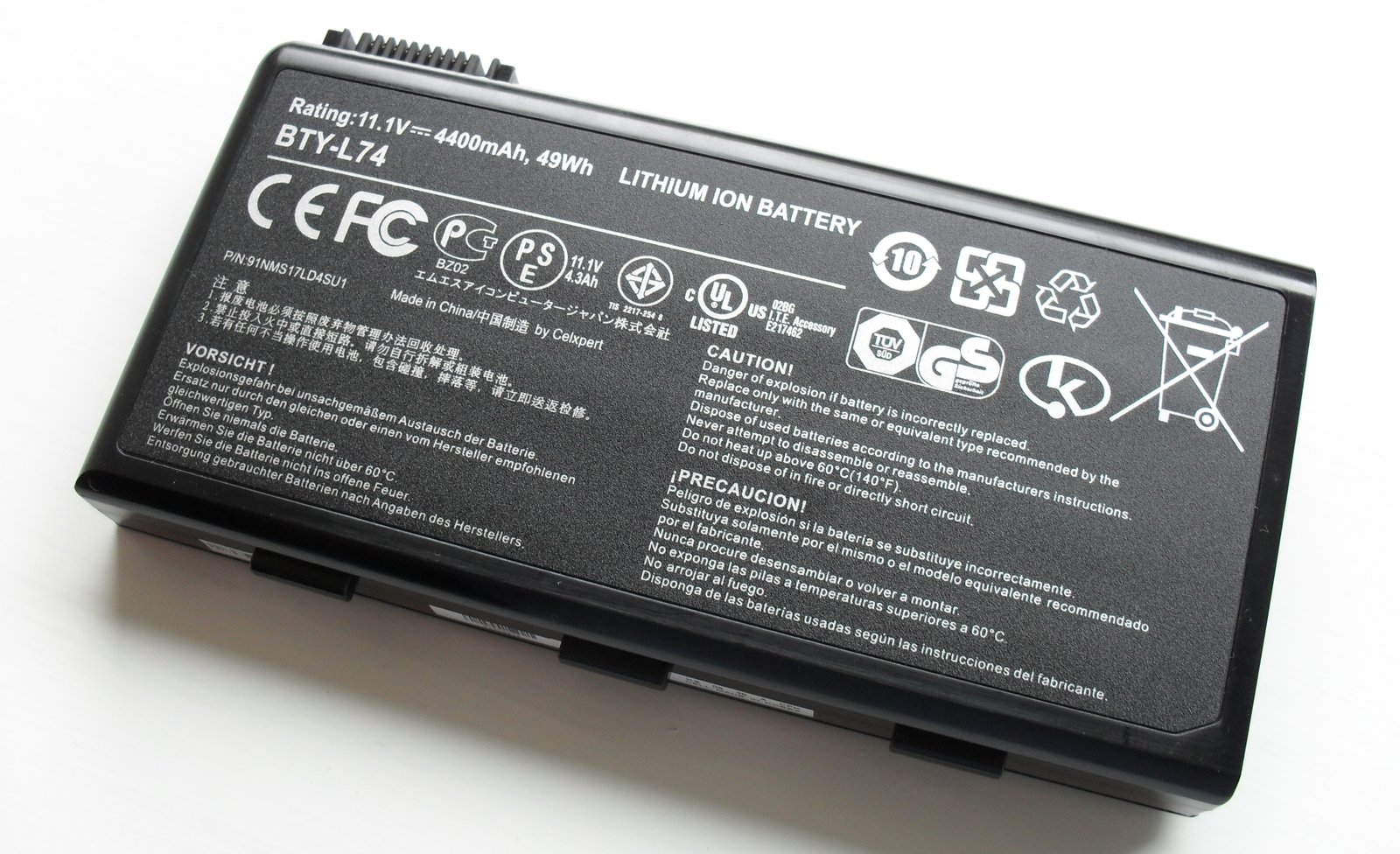
| Batteries | $200–$900 per kWh | Compare usable kWh + cycle life |
| Charge controller | $120–$900 | MPPT often chosen for off-grid efficiency |
| Inverter | $300–$2,500+ | Sized to peak + surge needs |
| Wiring & protection | $200–$1,500 | Fuses/breakers, combiner, bus bars, disconnects |
| Mounting hardware | $150–$1,500+ | Ground mount and snow load can raise costs |
Solar system cost breakdown (general) DIY vs installer cost

Why “size first, buy second” saves money
The most expensive mistakes happen when parts are chosen before you know your daily energy use and peak load. A larger inverter can force heavier wiring, bigger fusing, and more battery capacity—so one “upgrade” can multiply costs.
How to size a solar system for a cabin How to size an inverter Battery capacity calculator
A worked cabin: 2 kWh/day weekend place, priced end-to-end
The tiers above make more sense with arithmetic attached. Take the classic weekend cabin — fridge, lights, water pump, laptop, phone, a fan — measured honestly at ~2,000Wh/day (the load worksheet takes 20 minutes):
| Component | Sizing decision | Cost (this page’s bands, Sep 2026) |
|---|---|---|
| Battery | 2 kWh usable → 2 × 100Ah LiFePO4 (2.56 kWh nameplate) | $400–$600 |
| Panels | 2 kWh ÷ 4 sun-h ÷ 0.8 ≈ 625W → 6–7 × 100W or 2 × 350W | $450–$750 |
| Controller | 625W ÷ 12.8 × 1.25 ≈ 61A → 60A class | $200–$350 |
| Inverter | biggest load + surge (1,000W class) | $150–$300 |
| Wiring + protection | per the wiring cost page | $230–$490 |
| Mounting + misc | roof rack or ground rails, MC4, breakers | $100–$250 |
| Total | $1,530–$2,740 |
That lands exactly on this page’s “essential weekend cabin” tier — which is the point: the tier is not a price tag, it’s the output of six sizing decisions. Change the inputs and watch the money move: add a 1,500W microwave habit and the inverter doubles; winter usage at 2.5 sun-hours pushes panels to 1,000W+; a 3-day-autonomy battery adds ~$400. (Component arithmetic uses each cost page’s published bands; totals are editorial estimates.)
The two money levers that actually matter: depth-of-discharge discipline (a monitor costs $100 and protects a $500 bank), and buying panels last — after the load list is final — so you buy the array once.
Where cabin solar systems typically overspend
1) Oversized inverter
“Just in case” sizing increases wiring, protection, and battery stress. Match inverter size to realistic peak loads.
2) Underbudgeted wiring and protection
Disconnects, breakers, fuses, bus bars, and quality cable are not optional in a safe off-grid system.
3) Battery mismatch
Comparing batteries by nameplate kWh only can lead to poor value. Usable kWh and cycle life are the practical comparison points.
Battery cost per kWh (how to compare) Li-ion vs lead-acid
The cabin-cost math favorite: 1.28 kWh per unit at 12.8V nominal (per manufacturer spec), scale by stacking. Low-temp protection matters more in cabins than anywhere else on the property. Not for: whole-cabin AC-heavy loads or 48V banks — by the tiers above, regular off-grid use with a fridge needs a mid-range bank, and stacking many 12V units adds wiring. The honest tradeoff: each unit is one 1.28kWh block, so larger autonomy means more units.
Check price on Amazon (opens in a new tab) Price & availability shown on Amazon.com — we may earn a commission.The 30A tier covers most weekend-cabin arrays (per manufacturer spec), and Bluetooth lets you check charging from town — the feature cabin owners actually use. Not for: the high-capacity tier above — larger arrays or 48V banks push past 30A and the 100V input rail, and need the 150V line instead. The honest tradeoff: 30A caps a 12V array near the 400W mark.
Check price on Amazon (opens in a new tab) Price & availability shown on Amazon.com — we may earn a commission.FAQ
How much does it cost to run a cabin on solar?
Is cabin solar cheaper than a generator?
What’s the cheapest way to start?
Does winter use make systems more expensive?
Next logical reads
How to size a solar system for a cabin Solar vs generator for an off-grid cabin More solar use cases Solar system cost breakdown (general) RV solar cost breakdown