Quick answer What counts as wiring & protection Typical cost ranges What drives the cost Common mistakes FAQ
Quick answer: why this category changes the budget
Panels and batteries are easy to price. Wiring and protection costs vary because they depend on current, distance, voltage, and the inverter’s peak draw. The more power you run, the more important safe protection becomes.
If you’re building a full budget, start here: solar system cost breakdown.
What counts as “wiring and protection” (plain language)
- Cable: PV wire, battery cable, lugs, connectors, conduit where needed
- Protection: fuses, breakers, disconnect switches, surge protection (where used)
- Power distribution: bus bars, combiner boxes, grounding/bonding hardware
This is also where the safest systems spend money. If you’re tempted to “cut cost” here, you’re usually trading away reliability and safety.
Typical cost ranges (by category)
| Category | Typical range | Notes |
|---|---|---|
| Cables + connectors | $100–$800+ | Higher current and longer runs cost more |
| Breakers/fuses/disconnects | $80–$600+ | Depends on voltage and amperage ratings |
| Combiner/bus bars/grounding | $60–$600+ | More strings and higher power increase needs |
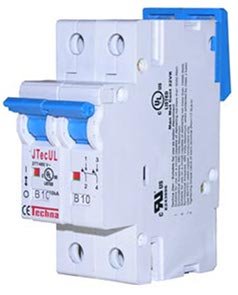

What drives solar wiring cost the most
1) Current draw (amps)
Higher power at lower voltage means higher current. High current pushes you toward thicker cables and higher-rated protection devices.
12V vs 24V vs 48V systems How to choose system voltage
2) Distance and voltage drop constraints
Long runs often require thicker cable to keep voltage drop under control, especially on the battery-to-inverter side.
Battery cable size for inverters (avoid voltage sag) Solar wire size (amps + distance)
3) Inverter size and surge behavior
Bigger inverters can force bigger DC-side cables, bus bars, and fusing. This is one reason “oversizing the inverter” increases system cost.
How to size an inverter Solar inverter cost
4) Array configuration (number of strings)
More panel strings can require a combiner box and additional fusing or breakers.
Solar components explained MPPT controller cost Combiner boxes and disconnects (when you need one)
Common wiring mistakes that increase cost later
- Undersizing cable: heat and voltage drop create performance and safety problems.
- Skipping disconnects: safe maintenance requires proper isolation points.
- Adding capacity without redesign: expansions can trigger a rewiring cycle if not planned.
If you’re building off-grid, you’ll also benefit from sizing-first planning: how to size a solar system.
A worked example: the 12V cabin run, priced honestly
The wiring bill is easiest to see on a real layout. A small cabin: panels on the roof 30 feet (one-way) from the charge controller, controller 3 feet from the battery, battery 6 feet from a 2,000W inverter. Using this page’s bands:
| Segment | What decides the cost | Realistic spend (editorial, Sep 2026) |
|---|---|---|
| Panel run, 10 AWG PV wire, 60 ft round-trip | length × gauge | $50–$90 |
| MC4 pairs + branch connectors | 2–4 pairs | $15–$35 |
| Controller-battery, 8 AWG, 6 ft | short run, 30A class | $12–$25 |
| Battery-inverter, 2/0 AWG, 12 ft round-trip | ampacity for ~180A | $60–$120 |
| Class T or ANL fuse + holder (inverter line) | AIC rating, not just amps | $40–$90 |
| Breaker/fuse on PV and controller lines ×2 | DC-rated | $30–$70 |
| Busbar + lugs + heat-shrink | tidy, inspectable joints | $25–$60 |
| Total | $230–$490 |
Notice the shape: on a 12V system the short, fat, expensive cable is the inverter run — 6 feet of 2/0 costs more than 60 feet of PV wire, because amps, not distance alone, set the price. That’s the same physics our battery cable sizing page teaches; here it shows up on the invoice.
What you can safely economize on (and what you can’t)
Can: buying wire by the spool instead of cut lengths; standardizing on one MC4 brand; a busbar instead of stacked ring terminals; planning runs before buying so you buy each gauge once. Can’t: the DC-rated protection devices (the AC breaker from the hardware store is not a substitute — check the fuses vs breakers page for why the voltage rating is the trap); the fuse on the battery-to-inverter line (it’s the one protecting against a fire, sized per the fuse chart); and gauge itself — undersized wire is a re-buy at best and a hazard at worst. The honest summary: economize on length and layout, never on protection or ampacity.
FAQ
Why is solar wiring so expensive?
How can I reduce wiring cost safely?
Do I need breakers or fuses?
Does wiring cost matter more off-grid?
Next logical reads
Solar system cost breakdown Cabin solar cost breakdown RV solar cost breakdown Solar components explained Solar wiring decisions (hub) Solar fuse and breaker sizing
Related guides: